

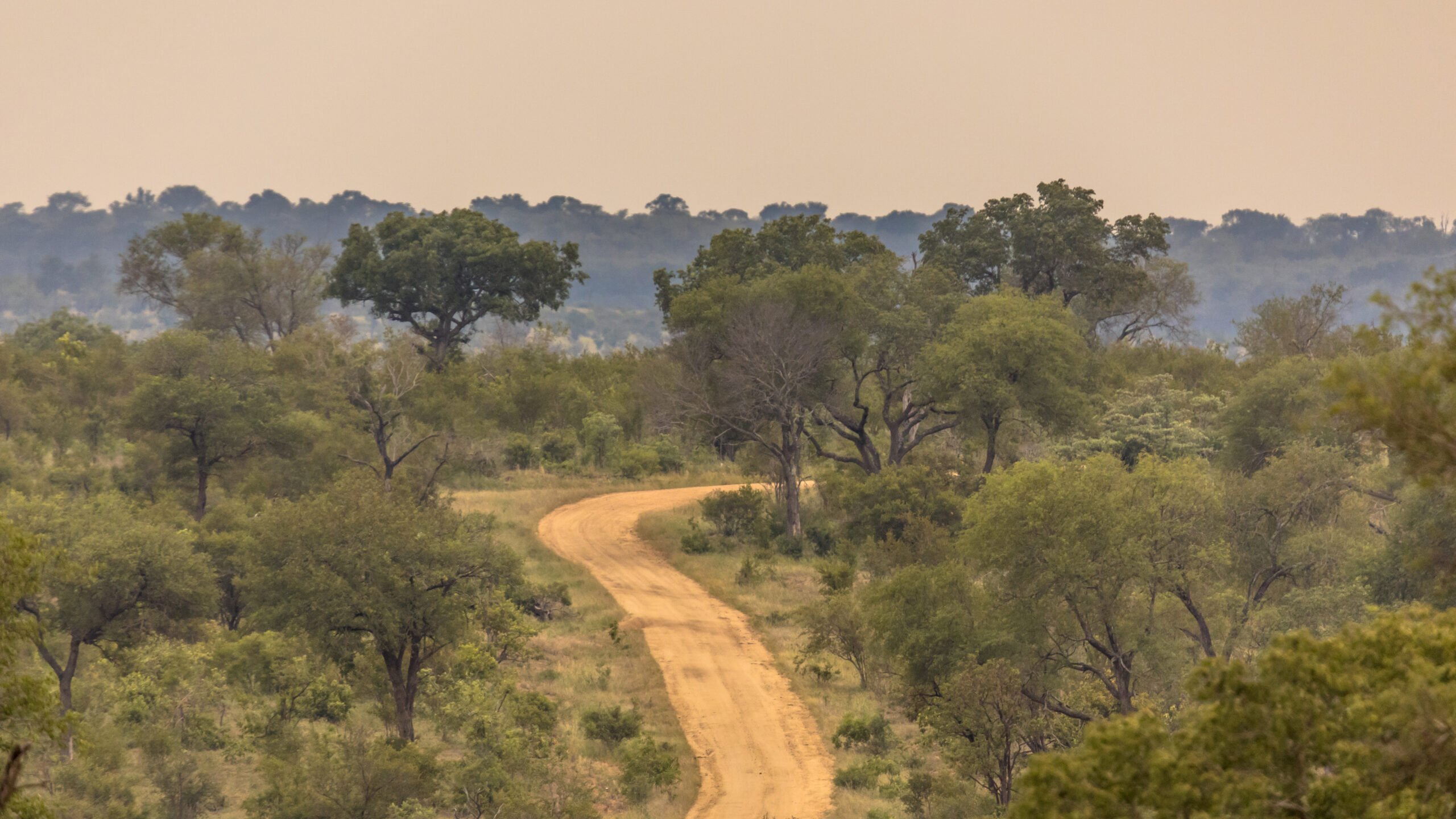
The tragic and unprecedented killing of an elderly South African couple in the remote Pafuri section of northern Kruger National Park has sent shockwaves through local communities and the broader global travel sector. Tourism authorities, hospitality operators, and wildlife organisations immediately united in extending their deepest condolences to the affected family. However, the subsequent hyper-focus in media headlines has fuelled an excessive, disproportionate wave of fear across safe, flourishing safari hubs like Hoedspruit and the central private nature reserves. To preserve the economic lifeblood of the region, we must separate an isolated geopolitical anomaly from the baseline reality of wild-reserve security.
An Unprecedented Border Event in a Century of Conservation
Context is critically important. South African National Parks (SANParks) confirmed that this horrific event marks the first visitor murder inside Kruger National Park in its entire 100-year history. The location of the incident, the far northern tip near Crooks Corner where South Africa, Zimbabwe, and Mozambique converge, tells a highly specific story. Preliminary investigations by the South African Police Service (SAPS) reveal that the attackers targeted the victims’ double-cab vehicle, with clear tyre tracks demonstrating that the vehicle immediately exited the country through a cut fence directly into Mozambique.
This was not a failure of normal tourism safety or localised safari security; it was a highly targeted, cross-border criminal breach occurring at a remote, international boundary line. To conflate an international border crime in the deep north with the daily safety of standard photographic safaris hundreds of kilometres away does an extreme disservice to reality. National parks worldwide, from Yosemite to the Serengeti, confront vast geographic boundaries that occasionally intersect with transnational complexities, yet they remain fundamentally safe destinations when proper precautions are observed.
- 100 Years of Safety: This historic safety baseline stands firm for millions of international and domestic visitors entering the Kruger National Park over the last century.
- 20,000 km² Massive Scale: A vast conservation landscape where localized border anomalies do not reflect the safety of established safari lodges, luxury reserves, and regional tourism hubs.
Why Does the Media Narrative Shift? The Psychology of Safari vs. Urban Space
The current localised anxiety highlights a stark paradox in global travel psychology. Consider the numbers: urban flashpoints such as the Cape Flats witness tragic violence weekly, with dozens of homicides occurring over a standard weekend. Yet, international and domestic tourists continue to flock to Cape Town, Table Mountain, and the Cape Winelands without hesitation. Travelers easily compartmentalise urban gang dynamics or localised crime, understanding that these events take place far outside the structural tourist footprint.
Why, then, does an isolated incident in a massive wilderness cause immediate international panic? The dynamic stems from a disruption of expectation. The bushveld represents a psychological sanctuary, a place where travellers seek total escape, harmony with nature, and managed predictability. When crime penetrates a conservation space, the perceived contract of safety shatters far more violently than it does in a major metropolitan city. This emotional response, while entirely natural, distorts the geographic and statistical reality: a visitor is incomparably safer inside the Greater Kruger tourism infrastructure than in almost any major urban centre globally.
Decisive Security Response and Structural Changes
In direct response to this breach, SANParks, the Department of Forestry, Fisheries and the Environment, and the Border Management Authority mobilised immediate interventions to eliminate vulnerabilities in the far north:
- Surveillance Scaling: Deploying advanced, military-grade early warning technology and increased automated tracking along peripheral fence lines.
- Ranger Reallocation: Moving elite specialised ranger units to remote frontier zones to reinforce boundary integrity.
- Joint Operations: Formalising immediate cross-border intelligence sharing between SAPS and Mozambican authorities to track the high-value asset syndicates behind vehicle theft.
Actionable Traveler Protocols: Safe and Responsible Safari Practices
Tourists can maximise their absolute peace of mind and contribute to local stability by following standard, practical travel measures:
- Stick to Established Routes and Camps: Utilise well-travelled roads and highly visible rest camps, particularly when traveling through extensive public park terrain.
- Arrive and Depart in Full Daylight: Schedule your arrivals through main entrance gates during high-visibility daytime hours, aligning strictly with gate opening and closing operational times.
- Avoid Border Perimeter Loitering: Enjoy designated picnic spots and lookouts, but avoid exploring unguided, isolated roads that parallel external international borders.
- Utilise Certified Local Guides: Booking your game drives through professional lodge guides and registered local operators adds an invaluable layer of situational awareness, deep environmental expertise, and professional security.
How Supporting Local Tourism Protects the Greater Kruger Landscape
The absolute worst reaction to this tragic event is a retreat from travel. Cancellation of bookings does not punish criminals; it paralyses the very communities, conservationists, and small businesses that stand as the primary defence against crime. In regions like Hoedspruit and the broader Maruleng Municipality, local tourism acts as the primary economic engine.
When you maintain your booking, hire local trackers, purchase from community markets, and support independent lodges, you directly fund the region’s socio-economic resilience. Thriving local economies generate stable employment, reduce the financial desperation that feeds poaching syndicates, and fund the multi-million rand security and anti-poaching networks that protect both wildlife and visitors. Choosing collaboration over fear and choosing to travel actively secures the future of South Africa’s premier conservation heritage.
Read more about our daily activities on social here.

